
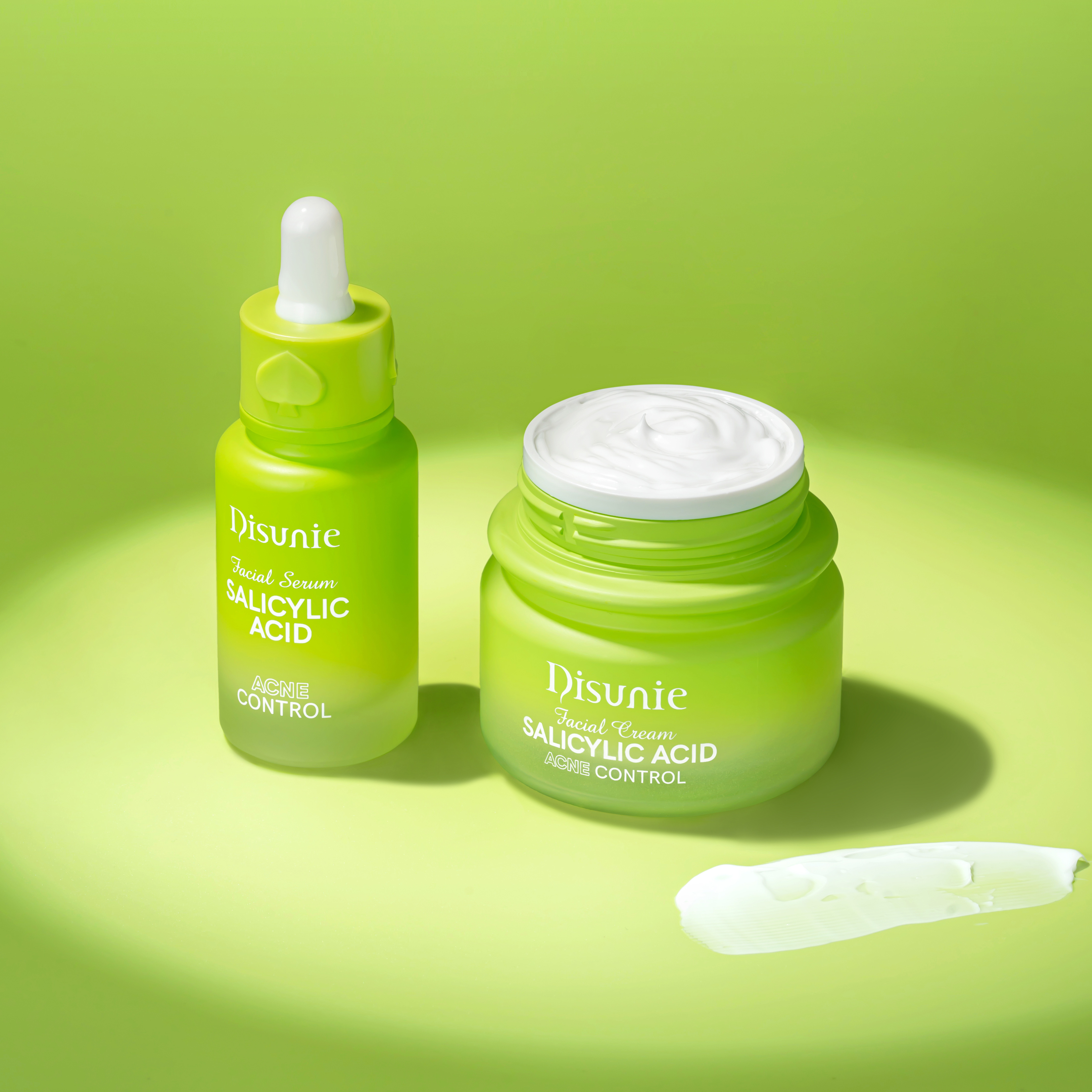
Salicylic Acid and Tea Tree Serum Becomes a Popular Choice in Advanced Skincare Development
Oct 05,2026


Rising Interest in Ingredient-Focused Skincare Products
The skincare industry continues to explore new formulas that combine familiar ingredients with convenient daily routines. Among these products, salicylic acid and tea tree serum has attracted growing attention in the facial care market. The combination brings together two well-known skincare ingredients and gives brands a practical option for developing targeted serum products.
Consumer preferences have also changed in recent years. People now pay closer attention to ingredient lists, product functions, texture, and overall user experience. Instead of choosing skincare products based only on brand names or packaging, many consumers want to understand what goes into a formula and how it fits their daily routine. As a result, brands continue to invest in ingredient research, formula development, and product quality.
At the same time, facial serums have become an important part of everyday skincare. Their lightweight texture makes them easy to apply, while concentrated formulas allow brands to highlight specific ingredients and product concepts. This trend has encouraged manufacturers to explore new combinations and create more specialized serum products.
Combining Salicylic Acid and Tea Tree Extract
Salicylic acid remains a popular ingredient in modern facial care. As a beta hydroxy acid (BHA), it can help remove excess oil and support a cleaner-looking complexion. In addition, its ability to work around pores makes it a common choice for formulas designed for oily and combination skin.
Meanwhile, tea tree extract has gained attention as a botanical skincare ingredient. Many skincare brands value its refreshing characteristics and include it in formulas that support a balanced daily skincare routine. When manufacturers combine tea tree extract with salicylic acid, they create a formula that responds to consumer interest in recognizable and functional ingredients.
However, developing a successful serum requires more than simply adding two popular ingredients to one formula. Product developers need to consider ingredient compatibility, texture, stability, packaging, and application experience. For example, the formula should maintain a consistent texture while providing a comfortable feel during application. Therefore, manufacturers need to test and adjust different components throughout the development process.
A well-designed salicylic acid and tea tree serum can combine familiar ingredients with modern formulation techniques. At the same time, manufacturers can adjust the formula according to different product concepts and market preferences. This flexibility allows brands to create serum products that fit naturally into various skincare routines.
Product Innovation Supports Skincare Market Development
Skincare innovation now goes far beyond individual ingredients. Brands increasingly consider product texture, packaging, appearance, convenience, and overall user experience when they develop new products. As consumer expectations continue to change, manufacturers also look for more efficient ways to improve their production and quality control processes.
For instance, product developers can create lightweight textures for consumers who prefer a fresh and comfortable application. They can also improve packaging designs to make products easier to store, carry, and use. In this way, formula design and packaging work together to create a more complete product experience.
Quality management also plays an important role in skincare production. Manufacturers check raw materials, monitor production conditions, and test finished products to maintain consistent quality. These steps help companies identify potential issues early and make necessary adjustments before products reach consumers.
In addition, brands increasingly explore customized product concepts for different markets. Consumers in different regions may have different preferences for textures, packaging sizes, ingredient combinations, and product positioning. Therefore, flexible product development gives manufacturers more opportunities to respond to specific market requirements.
As a result, skincare companies now focus on the entire product development process rather than a single ingredient. They combine research, formulation, production, packaging, and quality management to create products that better match changing consumer expectations.
Expanding Interest in Facial Serum Products
The beauty market continues to show strong interest in products with clear ingredient concepts. Consumers often want simple information about the main ingredients in a product and the role those ingredients play in a skincare routine. Consequently, brands are developing more focused product lines and using recognizable ingredients to communicate their product concepts.
Within this trend, salicylic acid and tea tree serum has become an interesting option for brands exploring ingredient-focused facial care. The combination gives manufacturers a clear starting point for product development while allowing them to adjust the formula, texture, packaging, and positioning for different markets.
At the same time, advances in formulation technology continue to create new possibilities. Manufacturers can improve ingredient compatibility, develop different textures, and optimize production processes. They can also explore packaging materials that offer greater convenience and support more sustainable product development.
Moreover, consumers increasingly expect skincare products to offer both functionality and a pleasant user experience. A serum therefore needs to feel comfortable during application while maintaining a consistent formula. For this reason, manufacturers continue to study texture, absorption, packaging design, and other details that influence everyday use.
Looking ahead, the skincare market will continue to evolve as consumers gain a better understanding of ingredients and product functions. Brands will need to balance formula development with quality, convenience, and market demand. In addition, ongoing improvements in manufacturing technology will give companies more opportunities to create differentiated skincare products.
Ultimately, ingredient-focused serums will remain an important part of modern facial care. By combining familiar ingredients with thoughtful formulation and efficient production, manufacturers can develop products that meet changing consumer preferences while creating new opportunities in the skincare market.
Latest News




GET A FREE QUOTE