
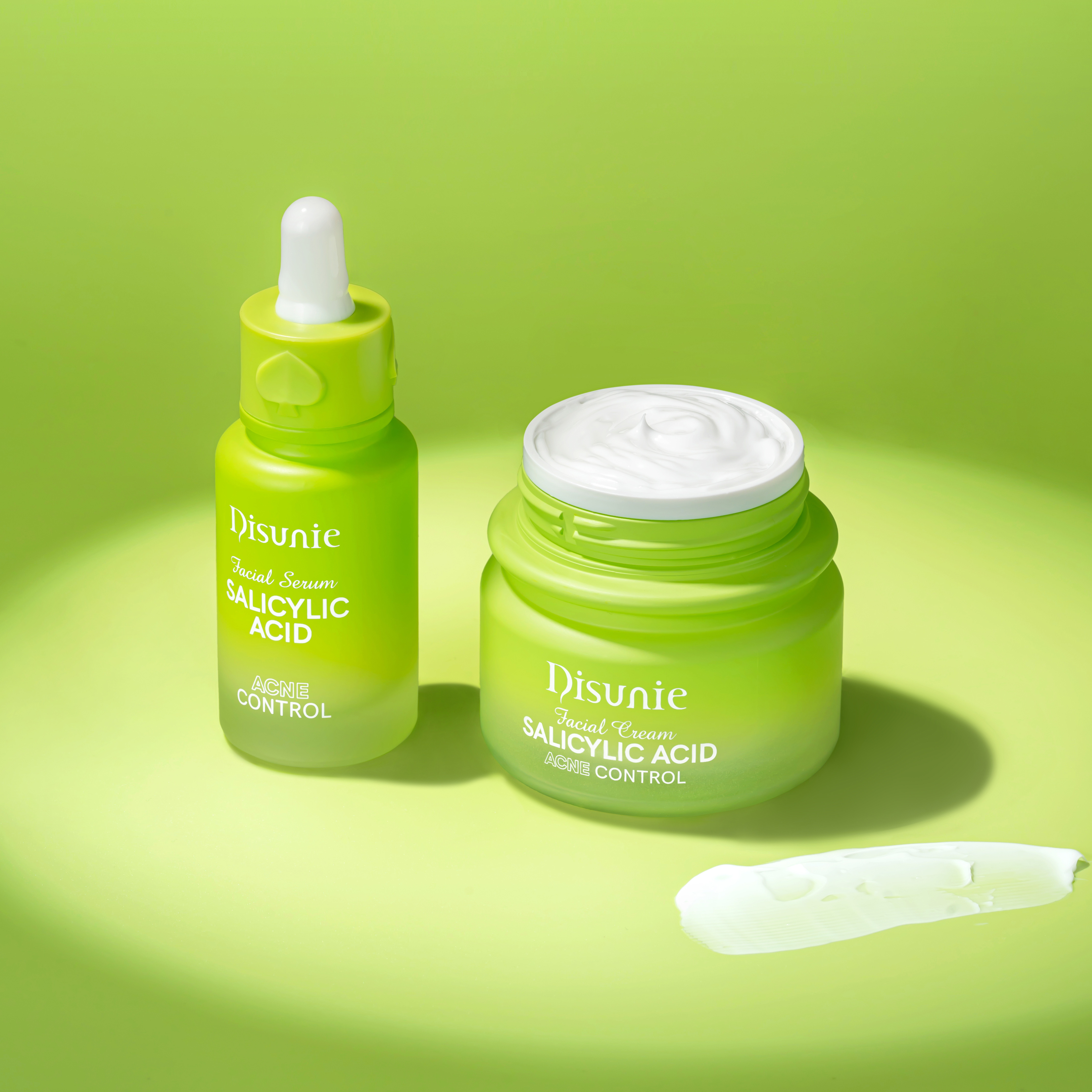
Skincare Products for Oily Skin Support Smarter Modern Formulations
Sep 11,2026


Skincare products for oily skin are gaining attention as consumers become more aware of how excess sebum, humidity, and daily environmental exposure affect skin appearance. Oily skin often requires a careful balance between controlling surface oil and maintaining enough moisture. If a formula removes too much oil, the skin may feel dry or uncomfortable. If it feels too rich, users may notice a greasy finish. This balance creates new formulation opportunities for skincare brands, private-label companies, distributors, and professional manufacturers.
Why Oily Skin Needs a Different Skincare Approach
Oily skin is often associated with increased sebum production and a shiny appearance. However, oiliness does not always mean the skin has enough moisture. A person can experience surface oil while still feeling tight or dehydrated. This is why modern skincare products need to address oil control and skin comfort together.
Consumer expectations have also changed. Many users no longer want aggressive products that leave the skin feeling stripped after cleansing. Instead, they prefer lightweight formulas that help manage excess oil while supporting a comfortable skin barrier.
Climate also influences product demand. Hot and humid environments can make oily skin feel heavier throughout the day. Consumers in these markets often prefer fast-absorbing lotions, lightweight creams, gel moisturizers, and refreshing facial cleansers.
For B2B buyers, these preferences create opportunities to develop targeted skincare ranges instead of relying on one general formula for every skin type.
Formulation Principles for Oily Skin Care
Product development starts with selecting ingredients that match the intended function and skin feel. Oil-control products need to remove or absorb excess surface oil without creating an overly dry sensation.
Lightweight Cleansing Formulas
Cleansers remain an important part of oily skin routines. A suitable cleanser can remove excess sebum, dirt, sunscreen residue, and daily impurities. However, strong cleansing systems may compromise the skin's natural comfort when used too frequently.
Modern formulations often focus on balanced cleansing. Mild surfactant systems can provide effective cleansing while maintaining a more comfortable after-feel. Gel and foam textures are popular because they offer a fresh sensory experience without adding unnecessary richness.

Moisturizing Without a Heavy Finish
Moisturization remains important even when the target consumer has oily skin. Lightweight humectants and skin-conditioning ingredients can help create a comfortable formula without making the product feel excessively greasy.
Water-based gels, fluid lotions, and lightweight emulsions are common choices for this product category. The final texture depends on the target market, climate, packaging, and desired positioning.
For manufacturers, texture development is often just as important as ingredient selection. A technically effective formula may still perform poorly in the market if consumers dislike the way it spreads, absorbs, or feels after application.
Key Ingredients in Modern Oily Skin Products
Different ingredients can support different formulation goals. Brands should select them according to the product's intended use rather than simply following ingredient trends.
Niacinamide is widely used in facial skincare and can support formulas designed for oily or combination skin. It also works well in lightweight serums, lotions, and daily moisturizers.
Salicylic acid is another common ingredient in products designed for oily and blemish-prone skin. It can help exfoliate the skin and support the removal of excess buildup. Because active ingredients can affect skin tolerance, manufacturers need to consider concentration, pH, stability, and regional regulations during formulation.
Clay and absorbent powders may also appear in masks and cleansing products. They can provide a temporary oil-absorbing effect and create a distinctive sensory experience.
The goal of professional formulation is not to add as many active ingredients as possible. A well-designed formula uses compatible ingredients in appropriate proportions and maintains stability throughout the product's expected shelf life.
Texture and Sensory Performance Influence Buying Decisions
For skincare products aimed at oily skin, texture can directly influence repeat purchases. Consumers often prefer products that feel fresh, spread easily, and leave limited visible residue.
A lightweight sunscreen, for example, needs to work well with other skincare products. A moisturizer should absorb without creating an excessively shiny finish. A serum should spread evenly and layer well under makeup.
Manufacturers can adjust the oil phase, emulsification system, viscosity, and film-forming properties to achieve different sensory profiles. These technical adjustments allow brands to create products for different consumer groups without completely changing the product concept.
Packaging can support this experience as well. Pumps, airless bottles, tubes, and lightweight containers can make products easier to use and carry. For international markets, packaging also needs to withstand transportation, temperature changes, and long storage periods.
Manufacturing and Quality Control Considerations
Consistent production is essential when developing skincare products for oily skin. Small changes in raw materials or processing conditions can affect viscosity, appearance, fragrance, stability, and skin feel.
Manufacturers normally control raw material quality before production begins. During manufacturing, teams monitor mixing, heating, cooling, homogenization, and filling conditions according to the formula requirements.
Stability testing can help evaluate how the product behaves under different storage conditions. Packaging compatibility testing is also useful because certain ingredients may interact with packaging materials over time.
For B2B customers, reliable batch consistency is especially important. Retailers and distributors expect products from different production runs to maintain similar texture, appearance, and performance.
Private Label Opportunities for Oily Skin Products
The growing demand for targeted skincare has created more opportunities for private-label development. Brands can work with manufacturers to develop cleansers, toners, serums, moisturizers, masks, and other products designed around oily or combination skin needs.
Customization can cover more than the formula itself. Brands may also adjust texture, fragrance, packaging, product size, labeling, and overall product positioning.
For manufacturers, flexible development allows them to serve different market segments. A brand targeting young consumers may prefer a lightweight gel skincare line, while a professional beauty brand may focus on a more refined treatment concept.
Private-label development can also help distributors build differentiated product portfolios. Instead of competing only on price, companies can create specific product combinations for different customer groups and regional markets.
Market Trends Are Moving Toward Balanced Oil Care
The oily skin market is gradually moving away from the idea that stronger cleansing always produces better results. Consumers increasingly understand that excessive cleansing can make daily skincare uncomfortable.
This has encouraged the development of balanced routines that combine gentle cleansing, lightweight hydration, targeted treatment, and daily protection. Multifunctional products are also gaining attention because they simplify skincare routines.
Sustainability is another factor affecting product development. Brands are exploring recyclable packaging, reduced material use, efficient production processes, and more responsible ingredient sourcing.
Clear product communication will remain important as well. Consumers want to understand whether a product is designed for oily, combination, or blemish-prone skin and how it fits into their daily routine. Simple and accurate product positioning can help brands build stronger relationships with distributors and end users.
Conclusion
Skincare products for oily skin require a thoughtful balance between oil management, hydration, texture, and daily comfort. Modern consumers expect more than a strong cleansing effect. They want products that fit their routines and provide a pleasant experience from application to finish.
For B2B brands and manufacturers, this creates opportunities across formulation development, private labeling, packaging, and product positioning. By combining suitable ingredients with stable production processes and user-friendly textures, manufacturers can help brands build more competitive oily skin care ranges.
As consumers continue to look for targeted yet gentle skincare solutions, products designed for oily and combination skin are likely to remain an active area of innovation in the global beauty market.
Latest News




GET A FREE QUOTE