
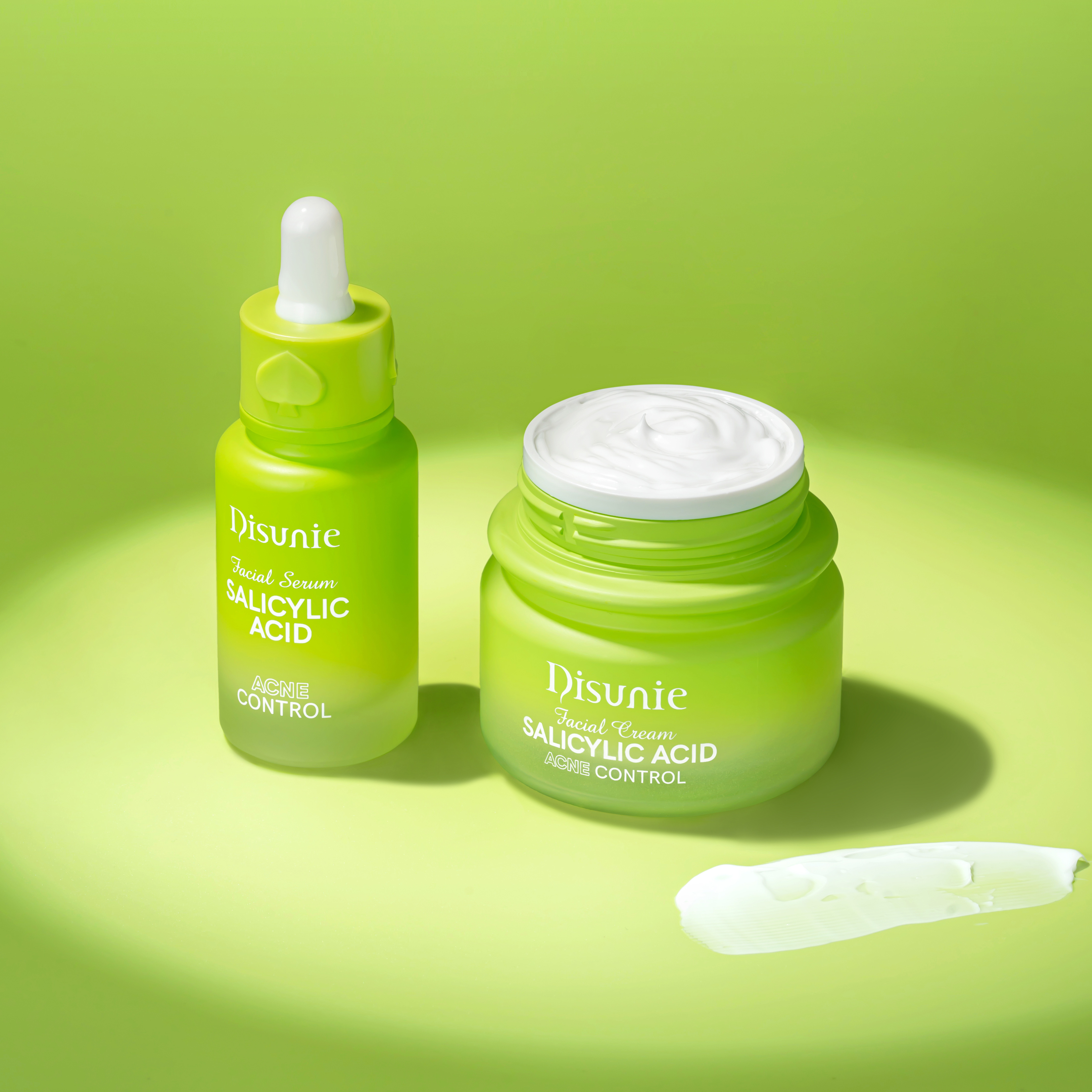
Oil Control Cleanser Helps Improve Modern Skincare Formulations
Jul 30,2026


Oil control cleanser has become an important category in the global skincare market as consumers continue to seek effective solutions for excess sebum, clogged pores, and uneven skin conditions. Cosmetic brands and private-label manufacturers increasingly focus on developing cleansing products that remove impurities while maintaining skin balance. Unlike traditional cleansers that often rely on strong degreasing ingredients, modern formulations combine mild surfactants, botanical extracts, and skin-conditioning components to create a more comfortable cleansing experience.
Understanding the Growing Demand for Oil Control Cleansers
The demand for oil control skincare products continues to expand because oily and combination skin types remain common concerns across different regions. Environmental pollution, high humidity, lifestyle changes, and frequent exposure to cosmetics can increase the accumulation of oil, dirt, and residues on the skin surface. These factors may contribute to enlarged pores, dull appearance, and frequent breakouts.
For skincare brands, developing an effective cleanser requires more than simply increasing cleansing strength. Excessive oil removal can damage the skin barrier and lead to dryness, irritation, or increased oil production. Therefore, manufacturers now focus on balancing cleansing performance with moisture protection. This approach allows users to achieve a cleaner skin surface without creating discomfort after washing.
Advanced Formulation Principles Behind Effective Oil Control Cleansers
A high-quality oil control cleanser usually combines several functional ingredients to address different skin needs. Surfactants play a key role by capturing oil-based impurities and helping remove them with water. However, formulators carefully select mild surfactant systems to reduce the risk of disrupting the natural lipid barrier.
Many professional skincare formulations include ingredients such as salicylic acid, niacinamide, tea tree extract, clay minerals, or natural plant extracts. Salicylic acid helps improve pore-cleansing performance because it can work within oily environments and remove accumulated impurities. Niacinamide supports skin conditioning and helps maintain a smoother appearance. Clay-based ingredients can absorb excess surface oil, making them suitable for products designed for oily and combination skin.
Manufacturers also pay attention to pH balance, texture design, and sensory performance. A cleanser with the right pH level can support skin comfort, while a lightweight gel or foam texture improves user experience. These details influence customer satisfaction and product competitiveness in the skincare market.
The Role of Ingredient Selection in Product Performance
Ingredient quality directly affects the stability and effectiveness of oil control cleanser formulations. Cosmetic companies must evaluate ingredient compatibility, safety standards, and long-term product stability during development. A balanced formula should provide reliable cleansing performance while avoiding unnecessary irritation.
For B2B skincare suppliers, ingredient sourcing has become a key factor in product differentiation. Brands often look for manufacturers that can provide customized formulations according to target markets, consumer preferences, and regulatory requirements. Different regions may have different expectations regarding fragrance, active ingredients, organic components, and sensitive skin compatibility.
Modern consumers also pay more attention to clean beauty concepts. As a result, many skincare companies explore naturally derived ingredients and environmentally responsible production methods. This trend encourages manufacturers to develop formulas that combine scientific performance with sustainable values.

Manufacturing Considerations for Skincare Brands and Private Labels
The production process of oil control cleanser requires strict quality management from raw material inspection to final packaging. Manufacturers need to control mixing procedures, ingredient dispersion, viscosity adjustment, and microbial protection to ensure consistent product quality.
Private-label skincare companies often require flexible production capabilities, including customized packaging, formula adjustments, and different product sizes. A reliable manufacturing partner can help brands shorten development cycles and respond quickly to market changes.
Quality testing remains essential throughout production. Stability tests, compatibility evaluations, and safety assessments help ensure that the cleanser maintains its intended performance during storage and transportation. These procedures are especially important for international distribution because products may experience different climate conditions during shipping.
Market Trends Driving Innovation in Oil Control Skincare
The skincare industry continues to move toward multifunctional products that provide several benefits in one formula. Consumers increasingly prefer cleansers that not only remove oil but also support hydration, skin smoothness, and overall skin health.
Another important trend is personalized skincare. Brands are developing products for specific consumer groups, including teenagers, professionals exposed to pollution, and individuals with sensitive oily skin. This market shift creates opportunities for manufacturers to develop specialized oil control cleanser solutions.
Digital marketing and e-commerce platforms also influence product development. Customer reviews and online feedback provide valuable information about texture, effectiveness, and user preferences. Skincare companies now use these insights to improve formulations and create products that better match consumer expectations.
Future Development Direction of Oil Control Cleanser Products
The future of oil control cleanser development will focus on balancing effectiveness, safety, and sustainability. Advanced ingredient technologies, biotechnology-based extracts, and gentle cleansing systems will continue to shape new product categories.
For skincare manufacturers and distributors, understanding consumer demands and formulation trends is essential for maintaining competitiveness. Products that combine efficient oil management with skin-friendly properties can better meet the expectations of modern users and create long-term market value.
As the global beauty industry continues to expand, oil control cleanser products will remain an important segment for cosmetic brands seeking innovative solutions. Through scientific formulation, responsible manufacturing, and continuous improvement, companies can develop skincare products that support healthier skin while adapting to changing market needs.
Latest News




GET A FREE QUOTE