
Unlocking the Power of Salicylic Acid: A Comprehensive Guide for Acne Treatment
Aug 18,2026


Salicylic acid is a well-known ingredient in the skincare industry, particularly recognized for its effectiveness in treating acne. As a beta hydroxy acid (BHA), it offers unique properties that make it particularly beneficial for individuals struggling with acne-prone skin. Its ability to penetrate the pores and dissolve the accumulation of dead skin cells and excess oil is what sets it apart from other acne treatments.
One of the primary ways salicylic acid works is through its exfoliating properties. By gently exfoliating the skin's surface, it helps to prevent clogged pores, which are a significant contributor to acne formation. Unlike alpha hydroxy acids (AHAs), which primarily exfoliate the surface of the skin, salicylic acid can penetrate deeper into the pores, making it effective for treating stubborn acne such as blackheads and whiteheads.
In addition to its exfoliation abilities, salicylic acid possesses anti-inflammatory properties. This means it not only helps to clear existing blemishes but also reduces redness and swelling associated with acne. This dual action makes salicylic acid an excellent choice for individuals with inflamed acne, as it helps to soothe and calm the skin while actively working to improve its overall appearance.
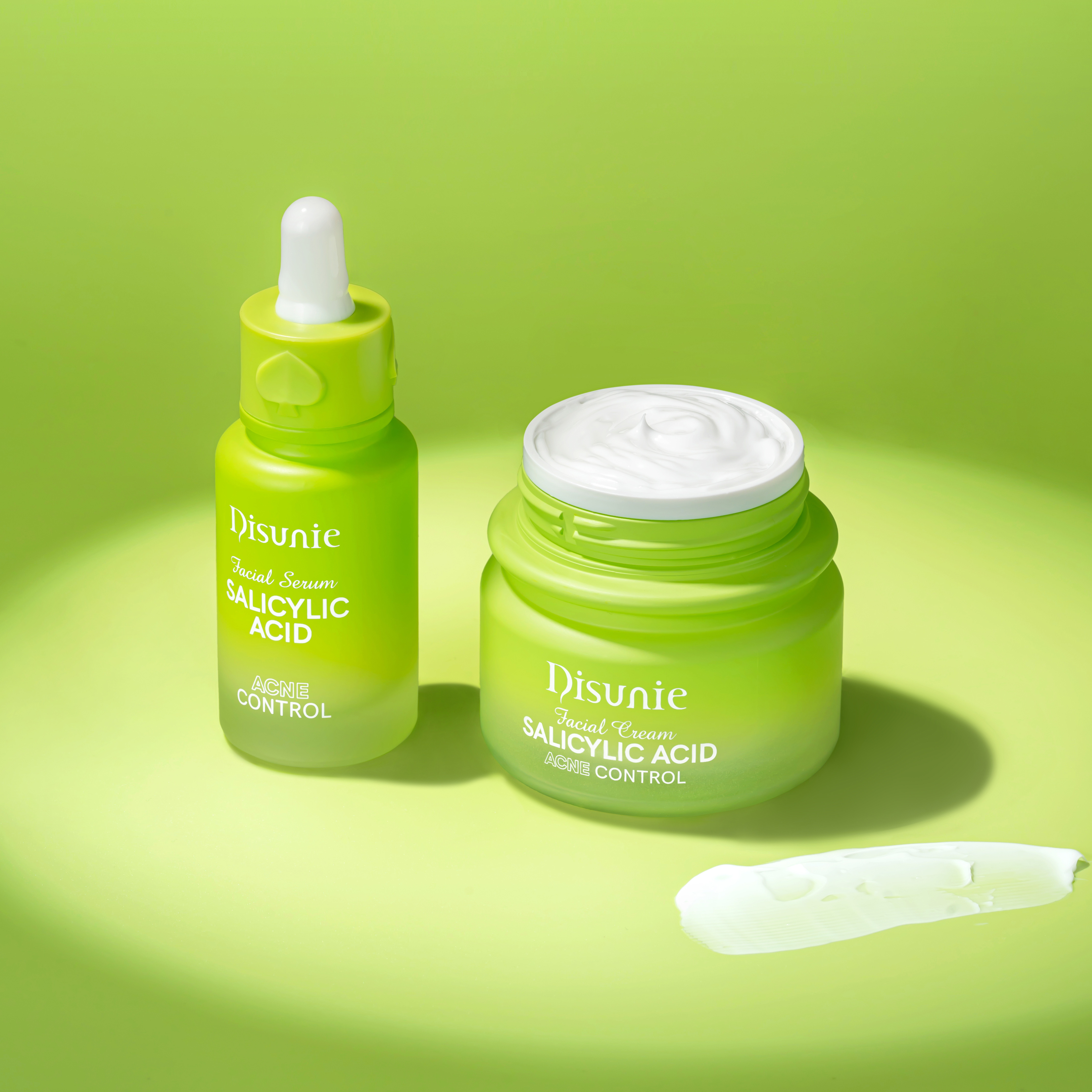
For those considering incorporating salicylic acid into their skincare routine, it's essential to start slowly. Begin with a lower concentration product to assess how your skin reacts to this potent ingredient. Formulations vary widely, from cleansers and toners to spot treatments and serums. Each form has its benefits, and selecting one that fits your lifestyle and skin type is crucial for optimal results.
While salicylic acid is effective for many, it is not without potential side effects. Some individuals may experience dryness or irritation, particularly if they have sensitive skin. Therefore, it’s advisable to follow up with a moisturizer to help maintain the skin's hydration balance. Additionally, using sunscreen is essential when using salicylic acid, as it can increase skin sensitivity to the sun.
In conclusion, salicylic acid is a powerful ally in the battle against acne, offering multiple benefits from deep pore cleansing to inflammation reduction. When used correctly, it can significantly improve the clarity and overall health of your skin. As with any skincare ingredient, understanding how it works and how to use it effectively is key to achieving the desired results. Whether you are dealing with occasional breakouts or persistent acne, incorporating salicylic acid into your skincare routine may be the solution you've been searching for.
One of the primary ways salicylic acid works is through its exfoliating properties. By gently exfoliating the skin's surface, it helps to prevent clogged pores, which are a significant contributor to acne formation. Unlike alpha hydroxy acids (AHAs), which primarily exfoliate the surface of the skin, salicylic acid can penetrate deeper into the pores, making it effective for treating stubborn acne such as blackheads and whiteheads.
In addition to its exfoliation abilities, salicylic acid possesses anti-inflammatory properties. This means it not only helps to clear existing blemishes but also reduces redness and swelling associated with acne. This dual action makes salicylic acid an excellent choice for individuals with inflamed acne, as it helps to soothe and calm the skin while actively working to improve its overall appearance.
For those considering incorporating salicylic acid into their skincare routine, it's essential to start slowly. Begin with a lower concentration product to assess how your skin reacts to this potent ingredient. Formulations vary widely, from cleansers and toners to spot treatments and serums. Each form has its benefits, and selecting one that fits your lifestyle and skin type is crucial for optimal results.
While salicylic acid is effective for many, it is not without potential side effects. Some individuals may experience dryness or irritation, particularly if they have sensitive skin. Therefore, it’s advisable to follow up with a moisturizer to help maintain the skin's hydration balance. Additionally, using sunscreen is essential when using salicylic acid, as it can increase skin sensitivity to the sun.
In conclusion, salicylic acid is a powerful ally in the battle against acne, offering multiple benefits from deep pore cleansing to inflammation reduction. When used correctly, it can significantly improve the clarity and overall health of your skin. As with any skincare ingredient, understanding how it works and how to use it effectively is key to achieving the desired results. Whether you are dealing with occasional breakouts or persistent acne, incorporating salicylic acid into your skincare routine may be the solution you've been searching for.
Latest News




GET A FREE QUOTE