
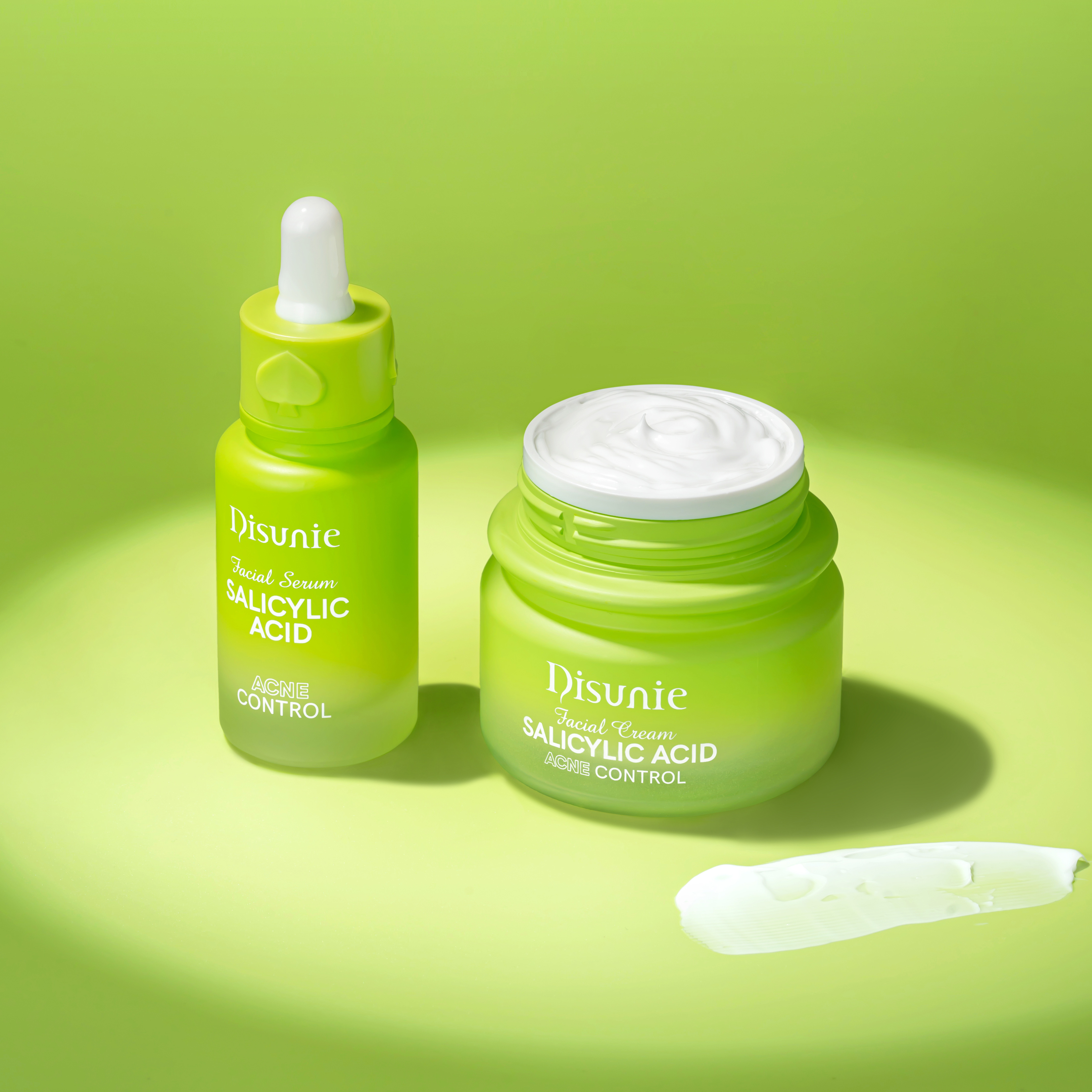
Unlocking the Secrets of Anti-Aging Serums: A Comprehensive Guide
Aug 12,2026


Anti-aging serums are increasingly becoming a staple in skincare routines, particularly for individuals seeking to maintain a youthful appearance and combat the visible signs of aging. These concentrated formulations are designed to penetrate deep into the skin and deliver active ingredients that target various skin concerns. Understanding how to effectively incorporate anti-aging serums into your skincare regimen can significantly enhance your skin's texture, tone, and overall vitality.
One of the primary benefits of using anti-aging serums is their ability to boost collagen production. Collagen is a vital protein that provides strength and elasticity to the skin. As we age, collagen production decreases, leading to wrinkles and sagging skin. Many anti-aging serums contain ingredients like peptides and retinoids, which are known to stimulate collagen synthesis, thus promoting firmer and more resilient skin.
Another crucial aspect to consider is hydration. Many modern anti-aging serums are formulated with hyaluronic acid, a powerful humectant that can hold up to 1,000 times its weight in water. This ingredient is instrumental in keeping the skin plump and hydrated, reducing the appearance of fine lines and making the skin look more radiant. Regular use of such serums can significantly improve the skin's moisture levels, thus enhancing its overall appearance.
In addition to hydration and collagen production, anti-aging serums often contain antioxidants. Ingredients like vitamin C, vitamin E, and green tea extract help protect the skin from environmental damage caused by free radicals, which can accelerate the aging process. Incorporating these potent antioxidants into your skincare regimen can help neutralize harmful agents and promote a healthier, more youthful-looking complexion.
When selecting an anti-aging serum, it's essential to consider your skin type and specific concerns. For instance, if you have sensitive skin, look for serums with gentle, soothing ingredients that are less likely to cause irritation. On the other hand, those dealing with more significant signs of aging may benefit from serums that contain higher concentrations of active ingredients.
Ultimately, the effectiveness of an anti-aging serum relies on consistent and proper application. It is generally recommended to apply serums after cleansing and before moisturizing to maximize absorption. Additionally, patience is key; visible results may take time, but with regular use, many users report significant improvements in their skin's texture and tone.
In conclusion, anti-aging serums are a powerful tool in the quest for youthful skin. By understanding their key ingredients and benefits, professionals can make informed choices that enhance their skincare routines and promote long-lasting beauty and health.
One of the primary benefits of using anti-aging serums is their ability to boost collagen production. Collagen is a vital protein that provides strength and elasticity to the skin. As we age, collagen production decreases, leading to wrinkles and sagging skin. Many anti-aging serums contain ingredients like peptides and retinoids, which are known to stimulate collagen synthesis, thus promoting firmer and more resilient skin.
Another crucial aspect to consider is hydration. Many modern anti-aging serums are formulated with hyaluronic acid, a powerful humectant that can hold up to 1,000 times its weight in water. This ingredient is instrumental in keeping the skin plump and hydrated, reducing the appearance of fine lines and making the skin look more radiant. Regular use of such serums can significantly improve the skin's moisture levels, thus enhancing its overall appearance.
In addition to hydration and collagen production, anti-aging serums often contain antioxidants. Ingredients like vitamin C, vitamin E, and green tea extract help protect the skin from environmental damage caused by free radicals, which can accelerate the aging process. Incorporating these potent antioxidants into your skincare regimen can help neutralize harmful agents and promote a healthier, more youthful-looking complexion.
When selecting an anti-aging serum, it's essential to consider your skin type and specific concerns. For instance, if you have sensitive skin, look for serums with gentle, soothing ingredients that are less likely to cause irritation. On the other hand, those dealing with more significant signs of aging may benefit from serums that contain higher concentrations of active ingredients.
Ultimately, the effectiveness of an anti-aging serum relies on consistent and proper application. It is generally recommended to apply serums after cleansing and before moisturizing to maximize absorption. Additionally, patience is key; visible results may take time, but with regular use, many users report significant improvements in their skin's texture and tone.
In conclusion, anti-aging serums are a powerful tool in the quest for youthful skin. By understanding their key ingredients and benefits, professionals can make informed choices that enhance their skincare routines and promote long-lasting beauty and health.
Latest News




GET A FREE QUOTE