
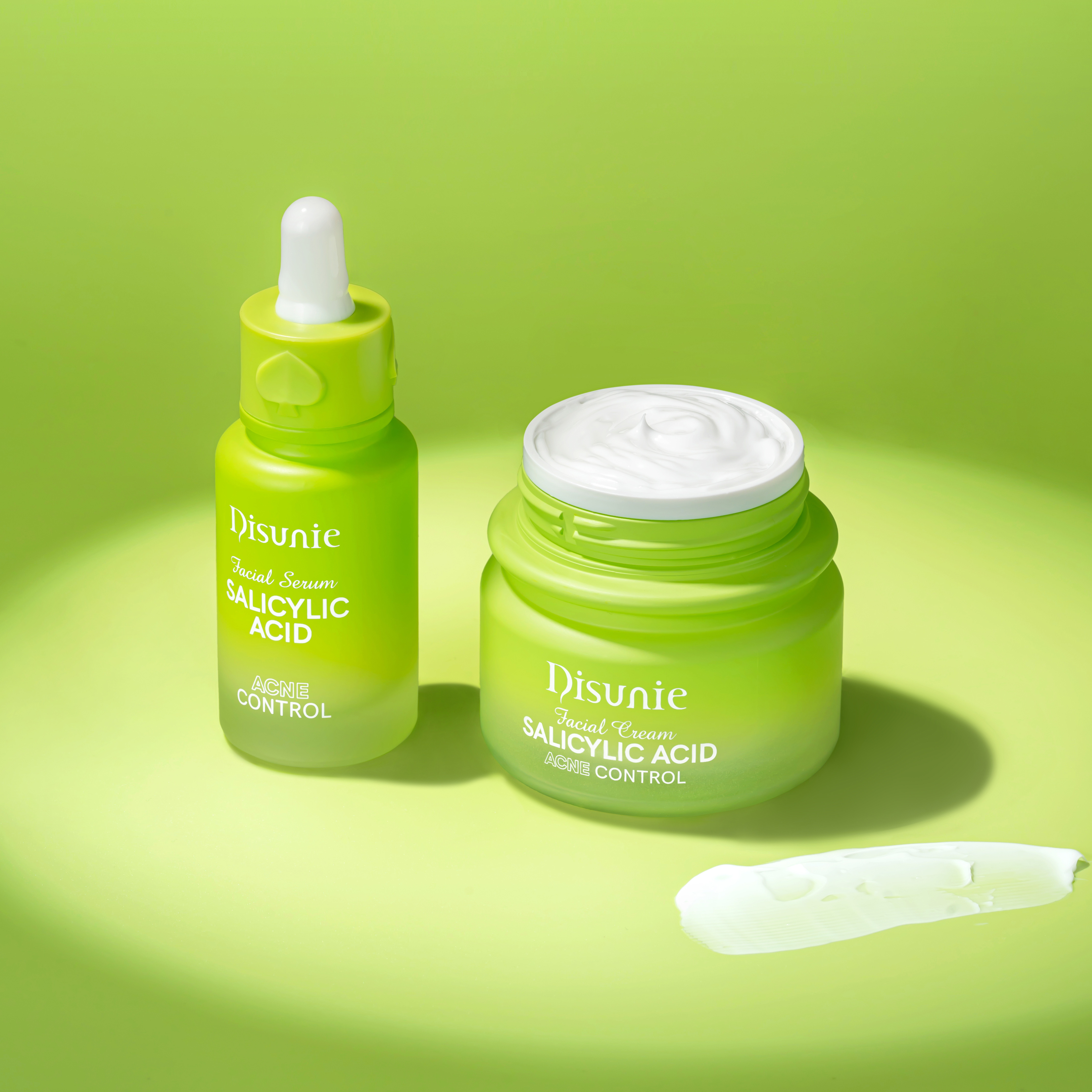
Why Consistency is Key in Using UV Defense Sunscreens: Unlocking Radiant Skin Protection
Feb 23,2026


Why Consistency is Key in Using UV Defense Sunscreens
Introduction: The Necessity of UV Defense in Skincare
In an era where skincare is more than just a routine but a lifestyle, understanding the importance of UV defense sunscreens has never been more crucial. The sun's harmful ultraviolet (UV) rays can cause serious skin damage, including premature aging, sunburns, and an increased risk of skin cancer. Consistency in applying UV defense sunscreens is the cornerstone of effective skin protection, ensuring you reap the full benefits of these protective products.
The Science Behind UV Rays: Understanding Their Impact
Types of UV Rays
The sun emits two primary types of UV rays that affect the skin: UVA and UVB. UVA rays penetrate deeply into the skin, leading to aging and long-term skin damage, while UVB rays are primarily responsible for sunburn. Both types contribute to an increased risk of skin cancer. Understanding this distinction underscores the significance of using a broad-spectrum sunscreen that protects against both UVA and UVB rays.
Short-Term and Long-Term Effects of UV Exposure
Short-term exposure to UV rays can result in sunburn, also known as erythema, characterized by red, painful skin. However, the long-term effects are far more concerning. Chronic UV exposure can lead to skin conditions such as actinic keratosis, photoaging (wrinkles and skin discoloration), and an increased risk of malignant melanoma. Regular use of UV defense sunscreens can mitigate these adverse effects significantly.
The Importance of Consistency in Sunscreen Application
Why Daily Application Matters
Using UV defense sunscreen daily, regardless of the weather or your planned activities, is essential. Many individuals mistakenly believe that sunscreen is only necessary on sunny days or during outdoor activities. However, up to 80% of UV rays can penetrate through clouds and windows, making daily application vital.
Building a Habit: Incorporating Sunscreen into Your Routine
To maximize the efficacy of UV defense sunscreens, integrating them seamlessly into your daily skincare routine is key. This could mean applying sunscreen as the last step of your morning routine, ensuring your skin is well-protected from the start of the day.
Choosing the Right UV Defense Sunscreen
Understanding SPF: How Much Protection Do You Need?
The Sun Protection Factor (SPF) is a measure of how well a sunscreen can protect your skin from UVB rays. A higher SPF indicates greater protection, but it’s essential to choose one that suits your skin type and lifestyle. For everyday use, an SPF of 30 is generally recommended, while higher SPF options may be beneficial for prolonged outdoor activities.
Broader Spectrum: The Need for UVA Protection
When selecting a UV defense sunscreen, look for products labeled “broad-spectrum.” This designation indicates that the sunscreen protects against both UVA and UVB rays, ensuring comprehensive skin safety. Formulations that contain physical blockers like zinc oxide and titanium dioxide offer effective protection by reflecting UV rays away from the skin.
Application Techniques for Optimal Protection
How Much Sunscreen Should You Use?
To ensure adequate protection, use approximately one ounce (about a shot glass full) of sunscreen to cover your entire body. For your face, use a nickel-sized amount. It’s essential to apply enough product to ensure a uniform layer of protection.
Timing Your Application: When to Apply Sunscreen
To maximize efficacy, apply sunscreen at least 15 minutes before sun exposure. This allows the product to properly bind to the skin. Reapplication is equally crucial; sunscreen should be reapplied every two hours, or immediately after swimming, sweating, or towel-drying.
Common Myths About Sunscreen Use
Myth: Sunscreen is Only Necessary on Sunny Days
Many people believe that sunscreen is unnecessary on overcast days. However, as mentioned earlier, UV rays can penetrate clouds. Therefore, daily application is essential regardless of weather conditions.
Myth: Higher SPF is Enough
While higher SPF sunscreens offer more protection, they are not a substitute for proper application. Even high SPF products can fail to protect against UV damage if not applied adequately or consistently.
UV Defense Sunscreens for Different Skin Types
Oily Skin: Lightweight and Non-Comedogenic Options
For those with oily or acne-prone skin, select oil-free, non-comedogenic sunscreens that won’t clog pores. Gel-based or water-based formulations are excellent choices that provide effective protection without feeling heavy.
Dry Skin: Hydrating Formulations
Individuals with dry skin should opt for sunscreens that contain hydrating ingredients such as hyaluronic acid or glycerin. These products not only protect but also nourish the skin, preventing dryness and irritation.
FAQs About UV Defense Sunscreens
1. Can I use makeup with SPF instead of sunscreen?
While some makeup products contain SPF, they should not replace sunscreen. To ensure adequate protection, it’s best to apply a dedicated sunscreen underneath your makeup.
2. What if I have sensitive skin?
For sensitive skin, look for sunscreens labeled “hypoallergenic” or “fragrance-free.” Mineral-based sunscreens with zinc oxide or titanium dioxide are often gentler on the skin.
3. Do I need sunscreen if I’m indoors all day?
Yes, UV rays can penetrate windows, making it essential to wear sunscreen even when inside.
4. Is it necessary to reapply sunscreen if I’m not sweating or swimming?
Yes, reapplication every two hours is crucial, as sunscreen can wear off due to natural skin oils and environmental factors.
5. What are the signs of sunscreen expiration?
Check for changes in color, consistency, or smell. Expired sunscreens may not offer effective protection and should be discarded.
Conclusion: The Path to Healthy, Protected Skin
In conclusion, the effective use of UV defense sunscreens is vital for maintaining healthy, radiant skin in the face of harmful UV rays. Consistency in application not only protects against immediate sun damage but also helps prevent long-term skin issues. By choosing the right product, applying it adequately, and incorporating it into your daily routine, you can ensure your skin remains protected and youthful. Embrace the power of consistency, and let your skin thrive under the shield of reliable UV protection.
Latest News




GET A FREE QUOTE