
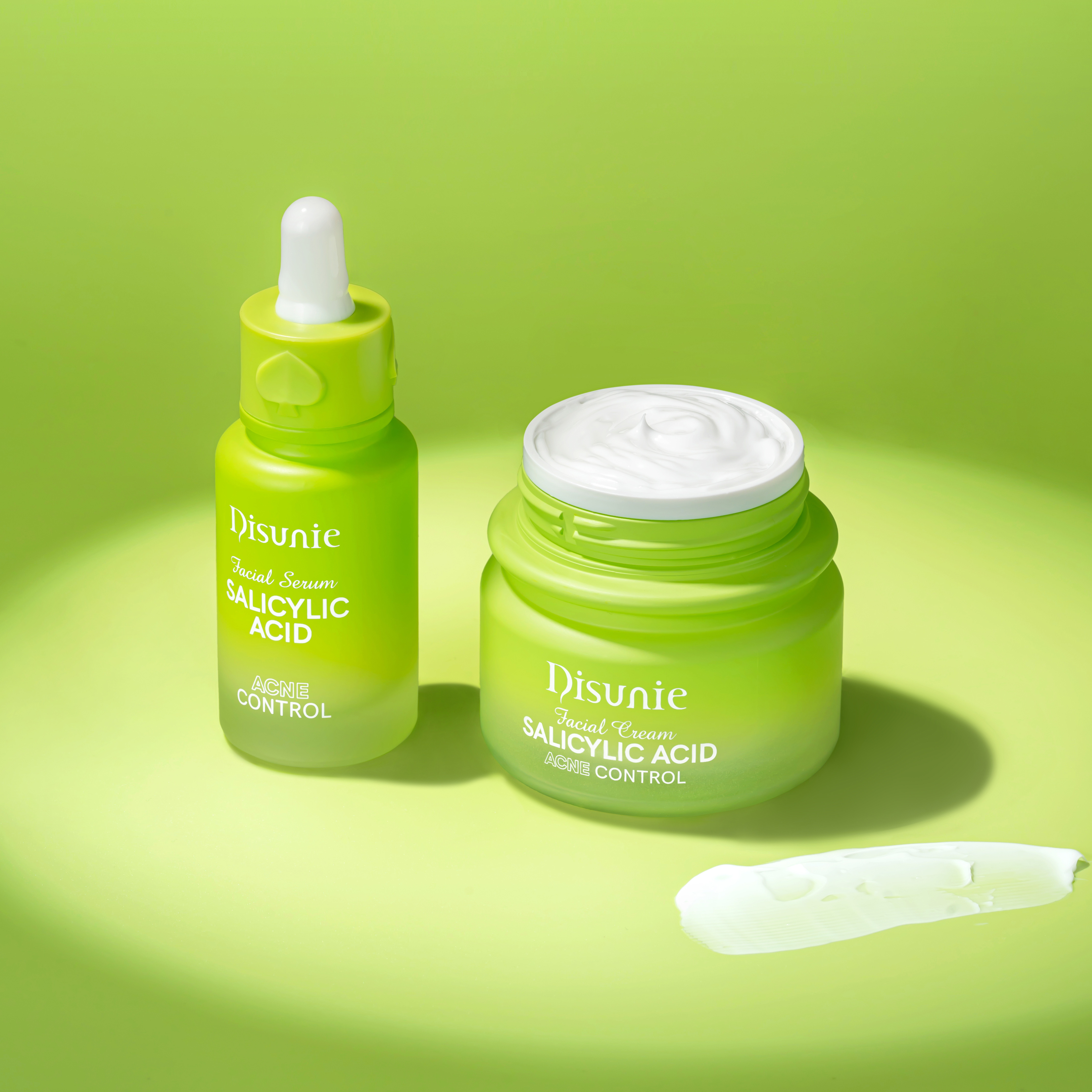
Advanced Anti Aging Serum for Face: Ingredients, Skin Science, and Formulation Technology
Jun 02,2026


Introduction
Anti aging serum for face have become an important category in modern skincare because they provide concentrated active ingredients with lightweight absorption and targeted skin benefits. Compared with traditional creams or lotions, serums are designed with smaller molecular structures and higher concentrations of functional compounds, allowing deeper penetration into the upper layers of the skin.
The primary purpose of an anti aging serum is to reduce visible signs of skin aging, including fine lines, wrinkles, uneven texture, dullness, dehydration, and loss of elasticity. Modern formulations combine dermatological science, biomaterial technology, and cosmetic chemistry to improve skin appearance while supporting long-term skin barrier health.
As environmental stress, ultraviolet exposure, and oxidative damage continue to affect skin quality, anti aging serums are increasingly formulated with multifunctional ingredients that target several aging pathways simultaneously.
Understanding the Skin Aging Process
Skin aging is influenced by both intrinsic and extrinsic factors. Intrinsic aging is the natural biological process associated with genetics and time, while extrinsic aging is caused by environmental influences such as UV radiation, pollution, smoking, and lifestyle habits.
Structural Changes During Aging
As skin ages, several physiological changes occur:
- Collagen production gradually decreases
- Elastin fibers lose flexibility
- Skin moisture retention declines
- Cellular renewal slows down
- Oxidative stress increases
- Skin barrier function weakens
These changes contribute to visible signs of aging such as wrinkles, sagging skin, rough texture, and uneven pigmentation.
The skin’s dermal layer becomes thinner over time, reducing its ability to maintain firmness and elasticity. At the same time, slower cell turnover can lead to dull skin tone and accumulation of damaged surface cells.
Key Active Ingredients in Anti Aging Serums
Modern anti aging serums rely on scientifically studied ingredients that address hydration, collagen support, antioxidant protection, and skin renewal.
Hyaluronic Acid
Hyaluronic acid is one of the most widely used hydrating ingredients in skincare formulations. It can attract and retain large amounts of water, helping improve skin plumpness and smoothness.
Low molecular weight hyaluronic acid penetrates more effectively into the superficial skin layers, while high molecular weight forms help create a protective moisture barrier on the skin surface.
Retinol and Retinoids
Retinol is a vitamin A derivative known for promoting skin cell turnover and stimulating collagen synthesis. It is commonly used to reduce fine lines and improve skin texture.
Retinoids can also help regulate pigmentation and minimize pore visibility. However, improper use may lead to irritation, dryness, or sensitivity, especially in individuals with delicate skin.
Peptides
Peptides are short chains of amino acids that function as signaling molecules within the skin. Certain peptides help stimulate collagen production and improve skin elasticity.
Signal peptides and copper peptides are particularly popular in advanced anti aging formulations because they support skin repair mechanisms and improve firmness.
Vitamin C
Vitamin C is a powerful antioxidant widely used to reduce oxidative stress caused by UV exposure and environmental pollution.
Benefits of vitamin C include:
- Brightening uneven skin tone
- Supporting collagen synthesis
- Reducing free radical damage
- Improving skin radiance
Stable vitamin C derivatives are often preferred in serum formulations because pure ascorbic acid can degrade quickly when exposed to air and light.
Niacinamide
Niacinamide, also known as vitamin B3, is valued for its barrier-supporting and anti-inflammatory properties. It helps improve skin texture, regulate oil production, and reduce redness.
In anti aging serums, niacinamide is frequently combined with peptides and antioxidants to create multifunctional skincare solutions.
Serum Formulation Technology
The effectiveness of an anti aging serum depends not only on ingredient selection but also on formulation technology and delivery systems.
Emulsion Systems
Some serums use water-based formulations for lightweight absorption, while others incorporate oil-in-water emulsions for enhanced moisturizing properties.
The choice of emulsion affects:
- Texture
- Stability
- Penetration performance
- Sensory experience
Encapsulation Technology
Advanced serums may use liposomes, nanoemulsions, or microcapsules to improve ingredient stability and controlled release.
Encapsulation helps protect sensitive ingredients such as retinol and vitamin C from oxidation while enhancing skin delivery efficiency.
pH Optimization
Many active ingredients require specific pH ranges to remain stable and effective. For example:
- Vitamin C performs best in acidic formulations
- Retinoids require controlled stabilization systems
- Peptides often function best in moderate pH conditions
Careful pH balancing improves compatibility and reduces irritation potential.
Anti Aging Serum vs Traditional Creams
Concentration of Active Ingredients
Serums generally contain higher concentrations of active compounds than creams or lotions. This allows targeted treatment of specific skin concerns.
Absorption Performance
Because of their lightweight texture, serums absorb more quickly into the skin and are less likely to leave heavy residue.
Layering Compatibility
Facial serums are commonly used before moisturizers and sunscreens. Their thin consistency allows easy layering within multi-step skincare routines.
Moisture Retention
Creams usually provide stronger occlusive effects, while serums focus more on active ingredient delivery. Many users combine both products for balanced hydration and treatment performance.
Importance of Antioxidant Protection
Oxidative stress is one of the primary contributors to premature skin aging. Free radicals generated by UV radiation and pollution can damage collagen, lipids, and cellular structures.
Antioxidants help neutralize these unstable molecules and reduce long-term skin damage. Common antioxidant ingredients include:
- Vitamin C
- Vitamin E
- Ferulic acid
- Green tea extract
- Resveratrol
- Coenzyme Q10
Combining multiple antioxidants may improve overall protective performance because different compounds target different oxidative pathways.

Skin Barrier Support and Hydration
Healthy skin barrier function is essential for maintaining moisture balance and protecting against external irritants.
Many anti aging serums now include barrier-supporting ingredients such as:
- Ceramides
- Squalane
- Panthenol
- Beta-glucan
- Amino acids
Hydration is closely connected to skin elasticity and surface smoothness. Properly hydrated skin often appears firmer and more radiant.
Application Guidelines for Anti Aging Serums
Cleansing Before Application
Serums should generally be applied to clean skin to maximize ingredient penetration and reduce interference from oils or impurities.
Layering Sequence
A common skincare sequence is:
- Cleanser
- Toner
- Serum
- Moisturizer
- Sunscreen
Frequency of Use
Some ingredients such as retinol may require gradual introduction to minimize irritation. Daily sunscreen use is also important when using active anti aging ingredients.
Storage Conditions
Sensitive ingredients may degrade under heat, moisture, or direct sunlight. Proper packaging and storage improve formulation stability and shelf life.
Future Trends in Anti Aging Serum Development
Biotechnology Ingredients
Biotechnology-derived peptides and fermented ingredients are becoming increasingly popular in premium skincare formulations.
Personalized Skincare
AI-assisted skin analysis and customized serum formulations may become more common in the future skincare industry.
Sustainable Cosmetic Materials
Manufacturers are increasingly focusing on biodegradable packaging, plant-derived ingredients, and environmentally friendly production processes.
Microbiome-Friendly Formulations
New research suggests that maintaining healthy skin microbiota may improve skin resilience and reduce inflammatory aging pathways.
Conclusion
Anti aging facial serums combine advanced cosmetic science with targeted skincare technology to address multiple signs of skin aging. By integrating active ingredients such as hyaluronic acid, retinoids, peptides, antioxidants, and barrier-supporting compounds, modern serums help improve hydration, elasticity, texture, and overall skin appearance.
The effectiveness of a serum depends not only on ingredient concentration but also on formulation stability, delivery technology, and compatibility with individual skin conditions. As cosmetic science continues evolving, anti aging serums are expected to become increasingly sophisticated, personalized, and multifunctional within the global skincare industry.
Latest News




GET A FREE QUOTE