
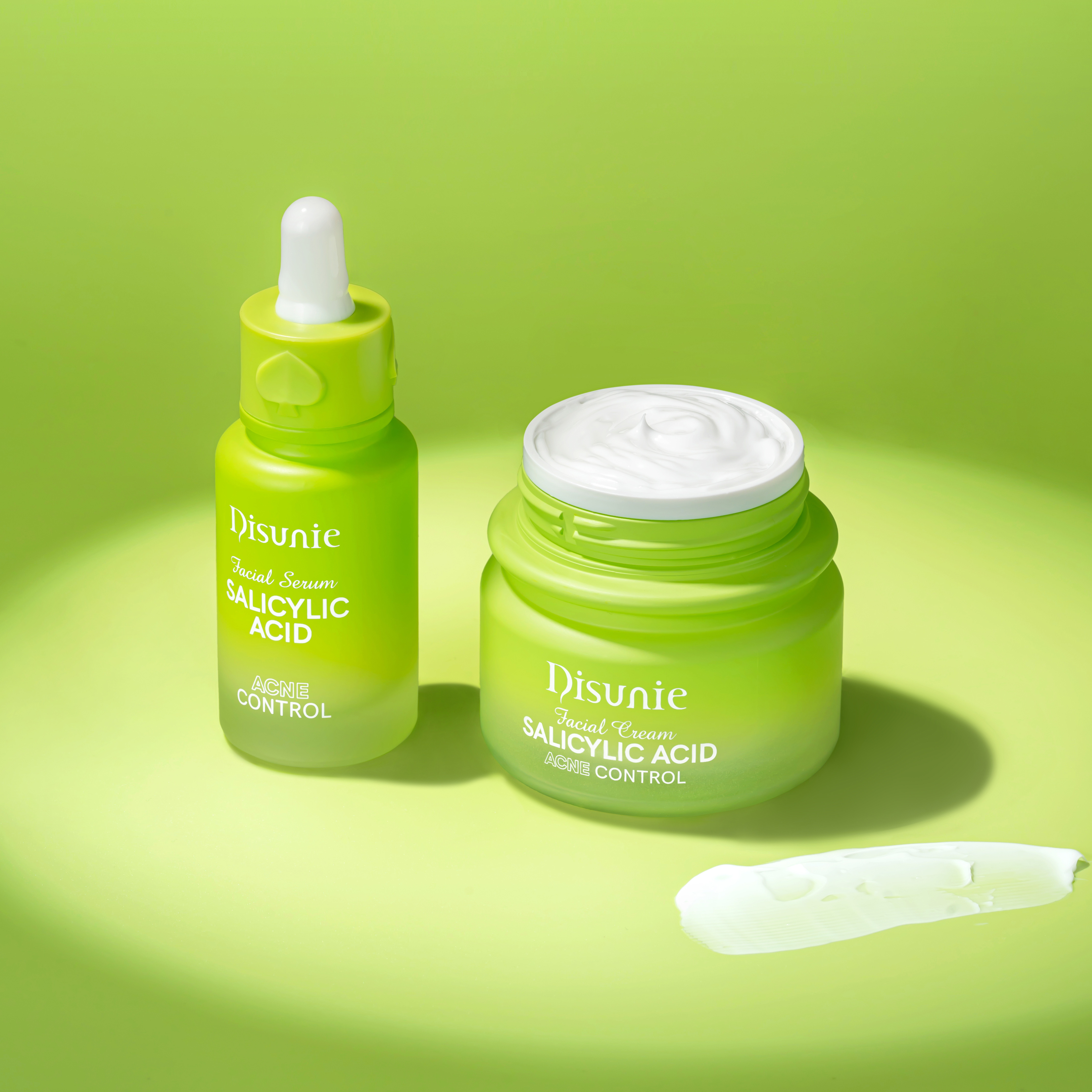
Deep Hydrating Face Lotion Supports Advanced Skincare Product Development
Aug 07,2026


Deep hydrating face lotion has become a key product category in the global skincare industry as consumers increasingly focus on maintaining healthy skin barriers and long-lasting moisture. Cosmetic brands, distributors, and private-label manufacturers continue to develop hydration-focused products that provide comfort, lightweight texture, and daily skin support. Modern face lotions no longer focus only on surface moisture. They combine advanced ingredients, formulation technology, and user-friendly textures to meet diverse skincare demands across different markets.
Growing Market Demand for Deep Hydrating Face Lotion
The demand for deep hydration products continues to rise as consumers become more aware of the relationship between moisture balance and overall skin condition. Factors such as climate changes, air pollution, excessive cleansing, and frequent exposure to indoor heating or air conditioning can reduce skin moisture levels. Dryness, rough texture, and weakened skin appearance have encouraged consumers to seek more effective daily hydration solutions.
For skincare brands, a successful moisturizing lotion must provide more than temporary softness. Modern consumers expect products that support long-term hydration while maintaining a comfortable feeling on the skin. This requirement has encouraged manufacturers to improve formulas with advanced moisturizing systems that help the skin retain water and maintain a smoother appearance.
B2B buyers, including cosmetic distributors and private-label companies, are also paying closer attention to product performance, ingredient transparency, and customization options. They need reliable manufacturing partners that can develop formulations suitable for different regions, consumer groups, and market positioning.

Formulation Technology Behind Effective Hydrating Face Lotions
A high-performance deep hydrating face lotion usually relies on a combination of humectants, emollients, and barrier-supporting ingredients. Each component plays a different role in improving skin moisture management.
Humectants such as hyaluronic acid, glycerin, and certain botanical extracts help attract and retain water on the skin surface. These ingredients support immediate hydration and improve the skin’s smoothness. Emollients, including plant-based oils and skin-conditioning agents, help create a soft texture and reduce the feeling of dryness.
Many advanced formulations also include ingredients that support the skin barrier. Ceramides, peptides, and natural lipids have gained attention because they help improve the overall appearance of dry and stressed skin. By combining hydration and barrier care, manufacturers can create products that deliver more complete skincare benefits.
Texture design also influences market acceptance. Lightweight lotions work well in humid climates and for consumers who prefer quick absorption. Richer formulas may suit dry skin markets where users need stronger moisture protection. Manufacturers adjust viscosity, absorption speed, and sensory characteristics according to target customers.
Ingredient Selection and Quality Control in Skincare Manufacturing
Ingredient selection plays an important role in determining the performance and stability of deep hydrating face lotion products. Skincare manufacturers need to evaluate raw materials carefully to ensure compatibility, safety, and consistent quality during production.
Reliable suppliers usually establish strict standards for ingredient sourcing, storage, and testing. These processes help maintain formula stability and reduce quality risks during large-scale manufacturing. For international skincare brands, compliance with different regional regulations also influences ingredient choices and production methods.
Clean beauty trends have further changed product development strategies. Many brands now prefer naturally derived ingredients, sustainable sourcing, and environmentally responsible packaging solutions. Manufacturers that can combine effective formulas with responsible production practices gain stronger competitiveness in the global market.
Customization Opportunities for Private Label Skincare Brands
Private-label skincare continues to expand because many brands want to launch differentiated products without building their own production facilities. A professional manufacturer can provide support in formula development, packaging design, testing procedures, and production management.
Deep hydrating face lotion offers strong customization potential. Brands can adjust ingredients, fragrance levels, packaging formats, and product positioning based on their target markets. For example, some brands may focus on sensitive skin solutions, while others may develop premium anti-aging hydration products.
Flexible manufacturing capabilities allow companies to respond faster to changing consumer preferences. Shorter development cycles and customized solutions help brands create unique product lines and strengthen their market presence.
Production Standards for High-Quality Face Lotion Products
The manufacturing process directly affects product safety, stability, and user experience. Professional skincare factories control every stage, including raw material inspection, formula mixing, emulsification, filling, and packaging.
During production, manufacturers monitor temperature, mixing speed, and ingredient distribution to maintain consistent product performance. They also conduct stability testing to evaluate how products perform under different storage conditions.
Packaging selection is another important consideration. Airless bottles, pump containers, and other protective packaging solutions can help preserve formula quality while improving convenience for consumers. For global distribution, packaging durability and transportation compatibility also require careful evaluation.
Future Trends in Deep Hydration Skincare Development
The skincare industry continues to move toward multifunctional hydration products that combine moisture support with additional benefits. Consumers increasingly prefer products that provide hydration while addressing concerns such as skin sensitivity, aging appearance, and environmental stress.
Personalized skincare represents another important development direction. Brands are creating more targeted formulas based on different skin types, climates, and lifestyles. This trend creates opportunities for manufacturers to develop specialized deep hydrating face lotion products for specific market segments.
Sustainability will also remain a major focus. Eco-friendly ingredients, recyclable packaging, and cleaner production methods are becoming important factors in purchasing decisions. Companies that integrate innovation with responsible manufacturing can better meet future market expectations.
Conclusion: Deep Hydrating Face Lotion Creates New Opportunities for Skincare Brands
Deep hydrating face lotion continues to be an essential product category for skincare companies seeking growth in global markets. Successful products require a balance between effective hydration, pleasant user experience, stable formulation, and responsible manufacturing.
For cosmetic brands, distributors, and private-label businesses, choosing the right development strategy and production partner can improve product competitiveness. Through advanced formulation technology and flexible customization services, manufacturers can create hydration solutions that meet the evolving needs of modern consumers.
Latest News




GET A FREE QUOTE